Snowshoeing for Beginners: How to Choose Snowshoes and Gear for Midwest Winter Trails

This page may contain affiliate links. Some links on this site may be affiliate links, and we may earn a commission from affiliate programs at no extra cost to you. As an Amazon Associate I earn from qualifying purchases.
Quick answer: How to choose first snowshoes for Wisconsin and Midwest trails: terrain ratings, sizing, bindings, poles, layering and trail etiquette. Featured picks in this guide include Kings Camo XKG Foundation 260 Merino 1/4-Zip Base Layer (~$130), Kings Camo Hunter Full-Zip Fleece Hoodie (~$70), Piscifun 3-Layer Waterproof Breathable Rain & Camp Shell Jacket (~$60). Jump to quick picks or where to buy.
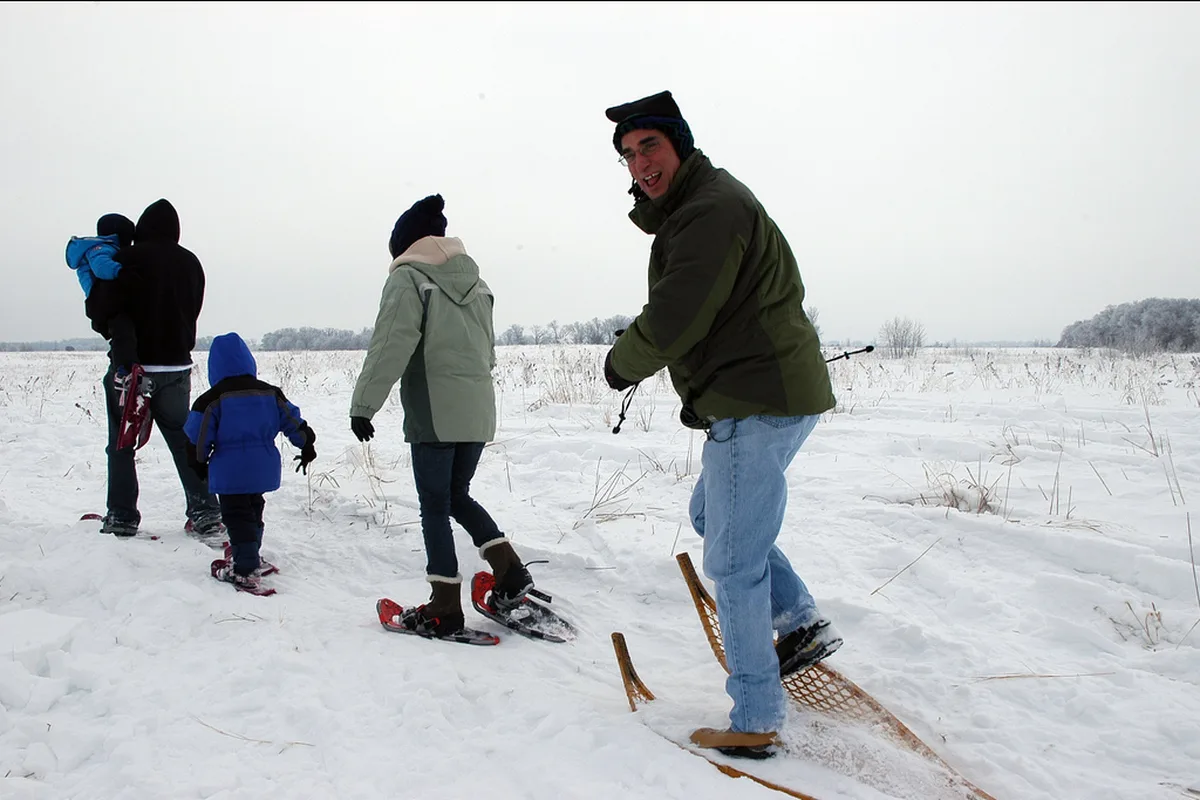
Snowshoeing is one of the easiest ways to keep getting outside once the Midwest snow piles up. If you can walk, you can snowshoe: there is no lift ticket, no lesson required and very little technique to learn. Across Wisconsin, Minnesota and Michigan, many state parks, county forests, nature centers and wildlife refuges open their trails to snowshoers in winter, and some host candlelight or guided evening snowshoe events. This guide covers how to choose a first pair of snowshoes, what to wear, where to start and how to stay safe and courteous on the trail.
| Photo | Product | Best For | Key Spec | Price | Shop |
|---|---|---|---|---|---|
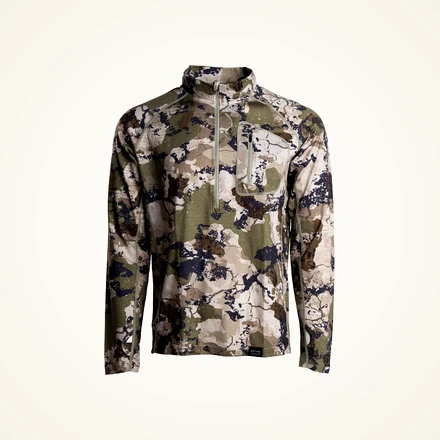 | Kings Camo XKG Foundation 260 Merino 1/4-Zip Base Layer | Editor's Pick | 260g 100% merino wool warmth | ~$130 Early Black Friday Throu | View Deal → |
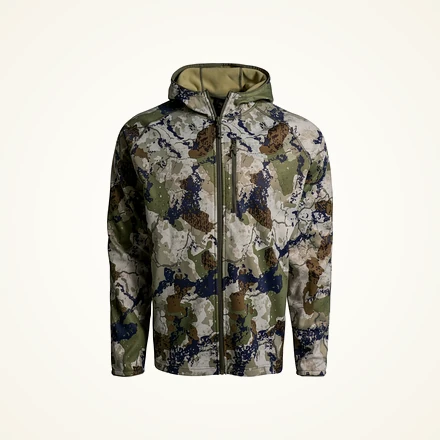 | Kings Camo Hunter Full-Zip Fleece Hoodie | Budget Pick | Bow-quiet grid-fleece knit | ~$70 Early Black Friday Throu | View Deal → |
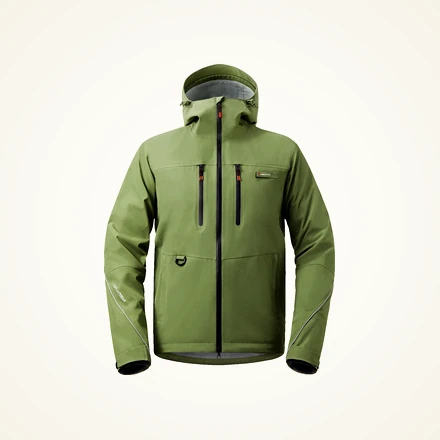 | Piscifun 3-Layer Waterproof Breathable Rain & Camp Shell Jacket | Budget Pick | 3-layer waterproof membrane | ~$60 Black Friday Sale: Up to | View Deal → |
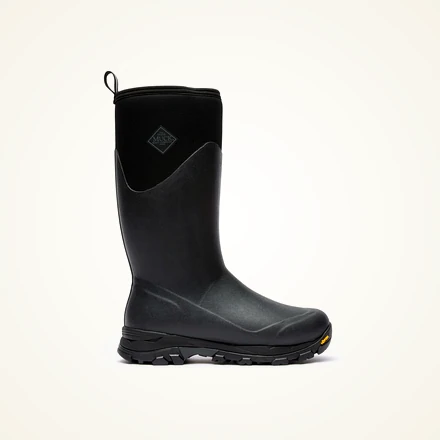 | Muck Boot Men's Arctic Ice 16" Insulated Tall Boot (Vibram Arctic Grip) | Cold-Weather Pick | Full 16-in deep-snow protection | ~$210 Code: TAKE25 | View Deal → |
How snowshoes work
Snowshoes spread your weight over a larger area so you sink less in soft snow. They only start to make a real difference once there are several inches of snow on the ground; on a thin or packed trail, winter boots with good traction are often easier. Modern snowshoes have a frame or molded deck, a binding that holds your boot, and a crampon (metal teeth) under the ball of the foot for grip on hard snow and ice. Many also have a heel lift, sometimes called a climbing bar, that flips up to reduce calf strain on steeper hills.
Choosing your first pair
**Match the snowshoe to the terrain.** Most manufacturers sort models into flat-terrain or recreational, rolling-terrain or hiking, and backcountry or mountain categories. For prairie trails, golf courses, state-park loops and gentle Northwoods hills, a recreational or rolling-terrain model is usually enough. Aggressive crampons, side rails and heel lifts matter more on the steeper bluffs of the Driftless Area or the hills along Lake Superior.
**Size by total load, not just body weight.** Snowshoe sizing charts are based on your weight plus clothing and a pack. Longer or wider snowshoes float better in deep, fluffy powder; shorter ones are easier to maneuver on packed or wooded trails. Midwest snow is often heavy and wet after a storm and then packs down quickly on popular trails, so many beginners do fine with the smaller size their chart allows. Check the manufacturer's chart for the model you are considering, since sizing varies by brand.
**Pick a binding you can work with gloves on.** Ratchet straps, dial-style bindings and simple rubber or hook-and-loop straps all work. The best test is whether you can tighten and release it with cold hands and gloves on. Also confirm the binding fits your boot size, especially if you plan to wear bulky insulated boots.
**Consider poles.** Adjustable trekking poles with snow baskets add balance on hills and uneven drifts and give your arms some of the work. Many snowshoe kits include poles and a carry bag, which can be a good value for a first set.
Picks worth a closer look
MSR Evo or Revo series snowshoes
MSR's molded-deck and aluminum-frame designs are widely sold for rolling and mountain terrain, with built-in crampons and traction bars. Compare deck length and the optional tails that add flotation.
Tubbs Flex series snowshoes
Tubbs offers recreational and hiking models in men's and women's sizing, with flexible tails meant to ease the stride. Check which binding style each model uses.
Atlas Helium or Run series snowshoes
Atlas sells lightweight models for trail walking and running. Read the stated weight range and terrain rating before you buy.
Yukon Charlie's or Crescent Moon snowshoe kits
Kits that bundle snowshoes, poles and a bag are a common entry point for families. Compare the crampon design and binding, since budget models vary widely.
Trekking poles with snow baskets
Any adjustable pole works if it has wide baskets so it doesn't punch deep into soft snow. Flip-lock adjusters are easier to use with gloves than twist locks.
Waterproof gaiters
Gaiters wrap over the top of your boots and lower legs to keep snow out, which matters a lot more in deep powder than on a packed trail.
What to wear
Snowshoeing is a moving activity, so you warm up faster than you expect. Dress in layers you can open or remove: a moisture-wicking base layer, a light insulating mid layer and a wind- and water-resistant shell. Start a little cool, and stop to shed a layer before you begin sweating, since damp clothing gets cold quickly when you stop. Our cold-weather layering guide goes deeper on base layers and insulation. Waterproof, insulated boots that fit your bindings, a warm hat, gloves or mittens and a spare pair of socks round out the kit.
Where to buy
These are specific products from retailers we partner with that fit the clothing side of a snowshoe outing. We have not tested them; check sizing, features and current price on the retailer's page before buying.
Kings Camo XKG Foundation 260 Merino 1/4-Zip Base Layer
Heavyweight 260g merino wool quarter-zip base layer. The zip lets you vent heat on a climb and close it up when you stop.
- 260g 100% merino wool warmth
- Natural odor & sweat control
- Check current Kings Camo stock and seasonal bundle sizing before ordering
Kings Camo Hunter Full-Zip Fleece Hoodie
Grid-fleece full-zip mid layer that traps heat under a shell and is easy to open or remove as you warm up on the trail.
- Bow-quiet grid-fleece knit
- High warmth-to-weight mid-layer
- Check current Kings Camo stock and seasonal bundle sizing before ordering
Piscifun 3-Layer Waterproof Breathable Rain & Camp Shell Jacket
Packable three-layer waterproof and breathable shell that blocks wind on open prairie and lake trails and stuffs into a daypack when you don't need it.
- 3-layer waterproof membrane
- Fully taped storm seams
- Check current Piscifun stock and seasonal bundle sizing before ordering
Muck Boot Men's Arctic Ice 16" Insulated Tall Boot (Vibram Arctic Grip)
Full-height 16-inch waterproof winter boot with 8mm neoprene and a Vibram Arctic Grip outsole, tall enough to keep drifted snow out. Confirm the fit with your snowshoe binding before a trip.
- Full 16-in deep-snow protection
- 8mm neoprene + fleece lining
- Insulated neoprene runs warm above 50°F; size for wool socks
TAKE25Black Friday: 25% Off Sitewide w/ TAKE25 + Free Shipping & Returns on $99+Verified on MuckBootCompany.com November 19, 2026: the store now advertises that Black Friday has started, with 25% off sitewide using code TAKE25 at checkout, plus free shipping and returns on orders of $99 or more. The Give & Gather tiered savings and affiliate code MUCK15 that we listed after a November 17 check are no longer shown on the official storefront, so we have removed them. Confirm the discount in your cart; sitewide codes may not apply to every marked-down item. (verified 2026-11-19)Trail safety and etiquette
Tell someone where you are going and when you expect to be back, and carry a phone in an inside pocket where the battery stays warm. Winter daylight is short in November and December, so plan to finish well before sunset or bring a headlamp. Pack water and a snack, since cold air dries you out and walking in snow burns more energy than walking on pavement.
Stay off groomed cross-country ski tracks unless a trail is marked for shared use; snowshoe prints damage the grooves skiers rely on. Walk single file on narrow trails, step aside for faster users, and follow the posted rules and admission requirements for the park or forest you visit. Be very cautious about crossing frozen lakes or rivers; our ice fishing gear guide covers ice safety basics, and when in doubt, stay on land.
The bottom line
A first pair of snowshoes doesn't need to be expensive. Choose a model rated for the terrain you will actually walk, size it to your total weight, make sure you can work the bindings with gloves, and dress in layers you can adjust. Start on a short, marked loop at a nearby park, and you may find winter becomes one of your favorite seasons outside. If you also spend time in a deer stand or a fish house this winter, our camping gear checklist and deer stand gear guide cover more cold-weather essentials.
Frequently asked questions
Do I need snowshoes or are winter boots enough?
On a packed trail or with only a couple of inches of snow, insulated boots with good traction are often enough. Snowshoes help once there are several inches of soft snow, so you sink less and can leave packed paths.
What size snowshoes should a beginner get?
Use the manufacturer's sizing chart for your weight plus clothing and pack. Larger snowshoes float better in deep powder, while smaller ones are easier to handle on packed or wooded trails.
Can I snowshoe on cross-country ski trails?
Only where the trail is marked for shared use. Snowshoe prints damage groomed ski tracks, so look for designated snowshoe trails or walk beside the groomed lanes where allowed.